The Ultimate AI Fashion Lookbook Guide: Prompting for Photorealistic Apparel
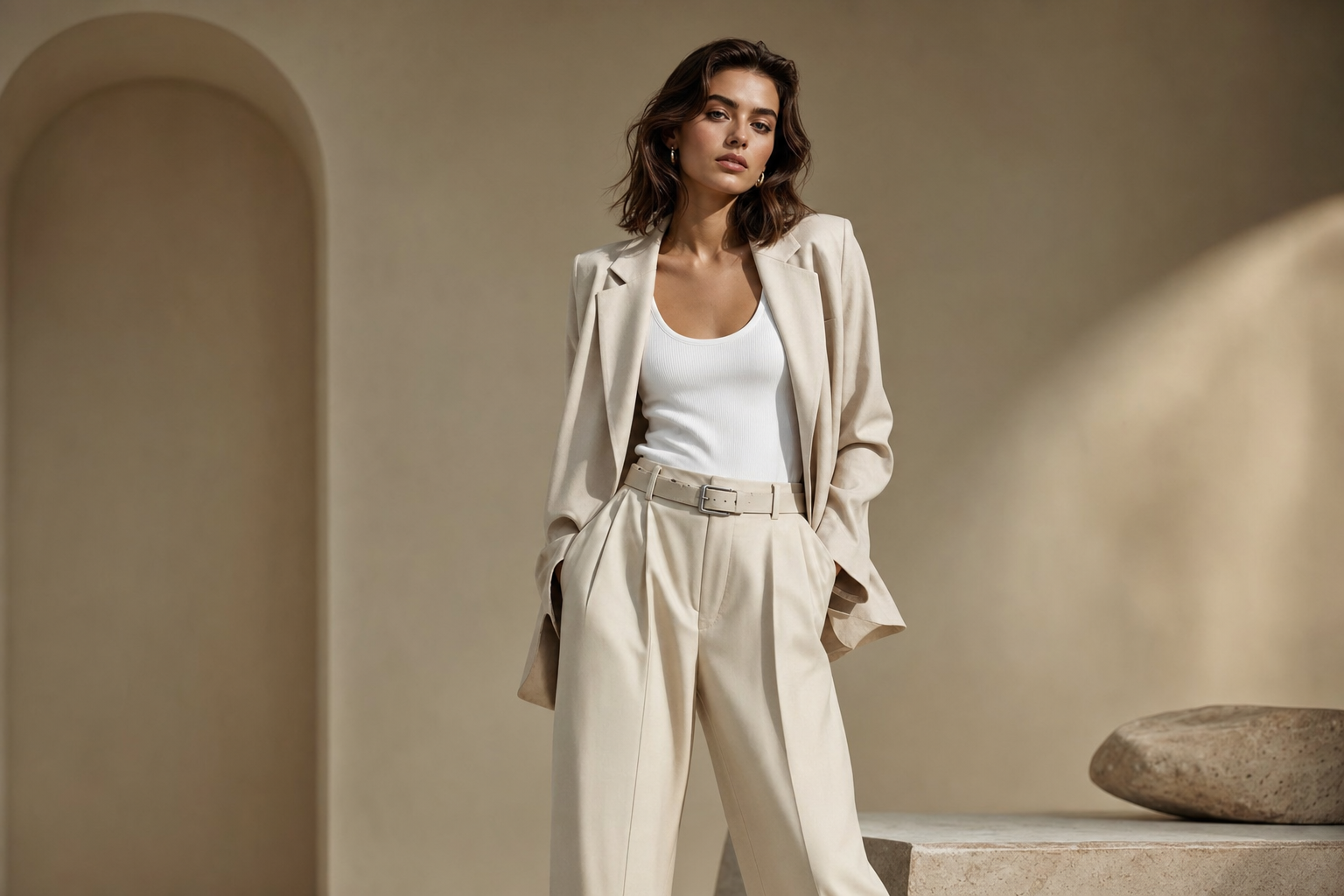
In 2026, the line between a studio fashion shoot and a generated image has all but vanished, but only for creators who understand that the model isn't painting clothes, it's interpreting language. A vague prompt gives you a vague garment; a precise, photographer-grade brief gives you a campaign-ready lookbook. This guide breaks down the exact prompt architecture that produces photorealistic apparel with believable fabric, flattering light, and catalog-level polish.
Why Fabric Realism Is the Whole Game
Viewers forgive an imperfect background, but they instantly distrust plastic-looking fabric. Silk that doesn't catch light, denim with no weave, leather without grain, these are the tells that scream 'AI'. The fix is to describe material the way a fabric technologist would: name the textile, its weight, its finish, and how it interacts with light. 'A dress' becomes 'a bias-cut silk charmeuse slip dress with liquid drape and soft specular highlights.' That single shift does more for realism than any 'photorealistic, 4k' tag ever will.
The Three-Tier Lookbook Formula
Professional results come from structuring your prompt in three deliberate tiers: the garment, the subject and styling, and the technical photography spec. Keep them in that order so the model resolves the most important subject first. Here is the reusable template:
Lookbook Formula: editorial fashion lookbook photograph of [garment: fabric + cut + color + finish], worn by [model: age, build, hair, expression], [full-length / three-quarter] shot, [pose and styling], shot on Hasselblad with 100mm lens, large softbox key light at 45 degrees plus subtle rim light, seamless [color] studio backdrop, visible fabric weave and natural draping, high-end catalog retouching, sharp focus, no grain
Fill every bracket. The more specific your fabric and lighting language, the less the model improvises, and improvisation is where realism dies.
Lighting Like a Studio Photographer
Apparel catalogs live and die by light. A single large softbox at 45 degrees gives you soft, directional modeling; adding a reflector on the opposite side preserves detail in dark fabrics so a black blazer doesn't collapse into a silhouette. For airy, high-key e-commerce looks, specify a white seamless backdrop and 'even, shadowless lighting.' For moody editorial, call for 'low-key lighting with a single hard source and deep falloff.'
- Tag a 100mm or 135mm focal length to compress the backdrop and flatter proportions.
- Name the textile and its finish (matte, satin, specular) to force texture realism.
- Add a reflector or fill light so dark garments keep shadow detail.
- Lock accessories, shoes, and hair styling words to keep a multi-shot campaign cohesive.
- Keep output 'clean, no grain' for crisp catalog imagery; save grain for editorial mood.
Treat the model like the world's fastest studio photographer who only speaks in precise briefs. Build your three-tier prompt, dial in the fabric and the light, and you'll generate lookbooks that look shot, not rendered. Open Manus, paste the formula above, and run your first apparel set, then iterate one variable at a time until it's campaign-ready.