AI Pet Photography: Studio-Quality Portraits for Dogs and Cats
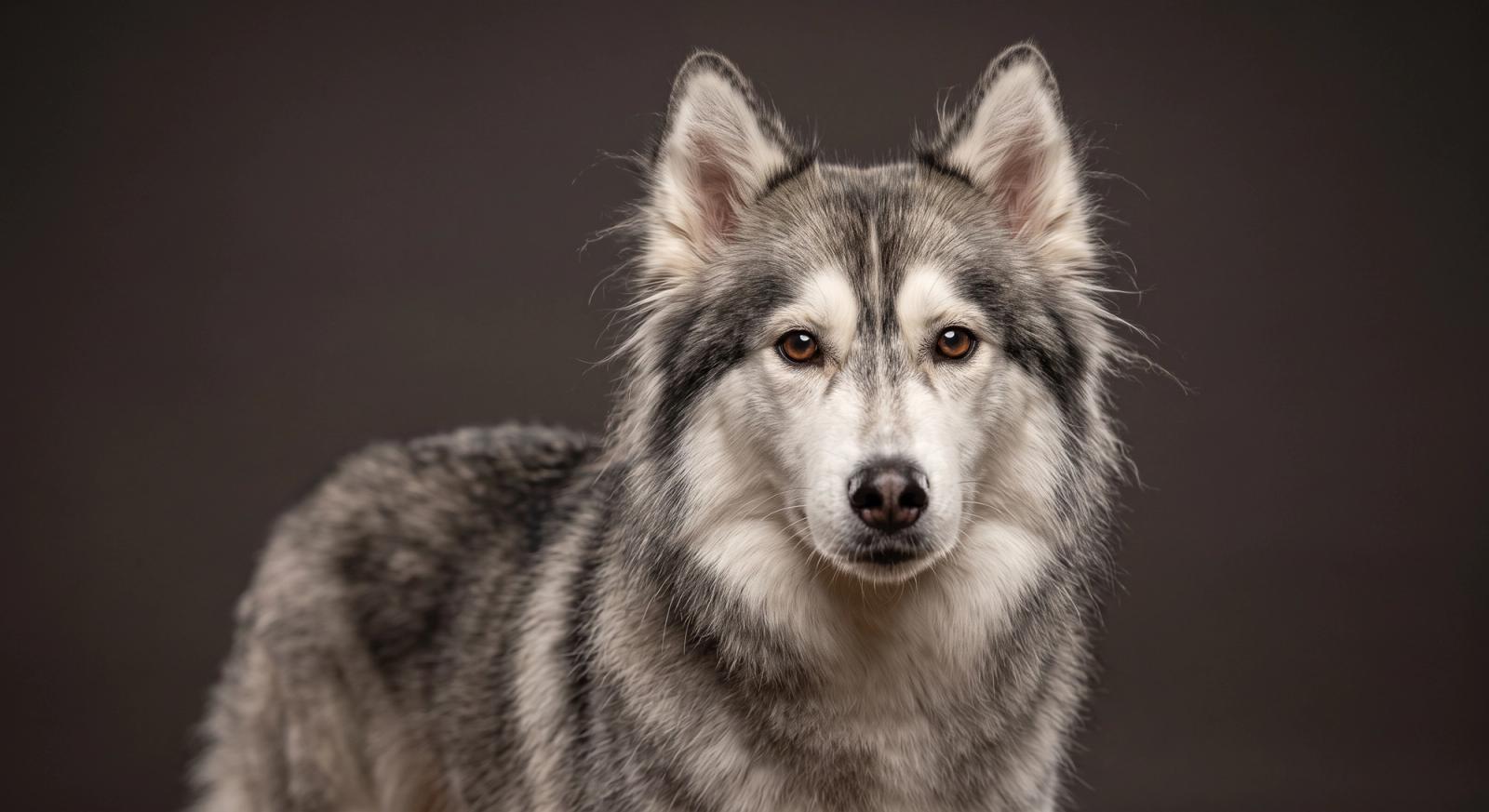
Pet portraits fail for one reason more than any other: the fur reads as felt, not fur. A generic prompt smooths every strand into a uniform plush texture, and the result looks like a stuffed animal instead of a living, breathing dog or cat. Pet parents can spot a fake instantly because they know their animal's exact coat and expression. Nail those two things and an AI pet portrait becomes genuinely giftable, print-ready wall art.
Fur Is the New Fabric
The same lesson that applies to apparel applies here: name the coat like a groomer would. 'A golden retriever' gives the model nothing to grip; 'a golden retriever with a dense double coat, feathered ears, and wind-tousled fur catching rim light' forces individual strand detail instead of a smooth plush blob. For cats, call out whisker detail and short vs. long coat explicitly, whiskers are the fastest tell that separates a photograph from a render.
The Studio Pet Portrait Formula
Structure the prompt breed and coat first, then expression and eye detail, then the technical studio spec. Eyes carry almost all of the emotional read, so give them their own clause.
Studio Pet Portrait: studio portrait of a [breed] with a [coat description: color, length, texture], alert expression, sharp catchlights in warm expressive eyes, individual fur strands visible with natural texture and light windblown detail, shot on an 85mm f/2 lens, soft large softbox key light with subtle rim light, seamless [color] backdrop, shallow depth of field, professional pet photography, sharp focus on the eyes
'Individual fur strands visible' is the single phrase that does the most work here, it's what stops the coat from collapsing into a smooth, toy-like surface.
Catching Personality, Not Just Likeness
A technically perfect but static portrait still feels flat. Add an action or micro-expression cue, 'ears perked, head slightly tilted' or 'mid-stride with tongue out', to inject the personality that makes an owner say 'that's so him.' Keep the background simple so the pet, not the studio, stays the subject.
- Name coat length, texture, and color explicitly; 'individual fur strands visible' beats any 'photorealistic' tag.
- Give eyes their own clause: warm color, sharp catchlights, alert focus.
- Add a small personality cue (tilted head, perked ears, mid-stride) to avoid a stiff, static pose.
- Use an 85mm lens and soft rim light to separate the pet from a clean studio backdrop.
- For multi-pet or multi-pose sets, lock the coat and eye description word-for-word across shots.
A believable pet portrait is coat texture, catchlit eyes, and a flash of personality. Build the formula above into Manus, describe your pet's actual coat instead of just its breed, and generate a wall-worthy portrait in minutes.