AI Virtual Staging: Sell Empty Rooms With Photorealistic Real Estate Renders
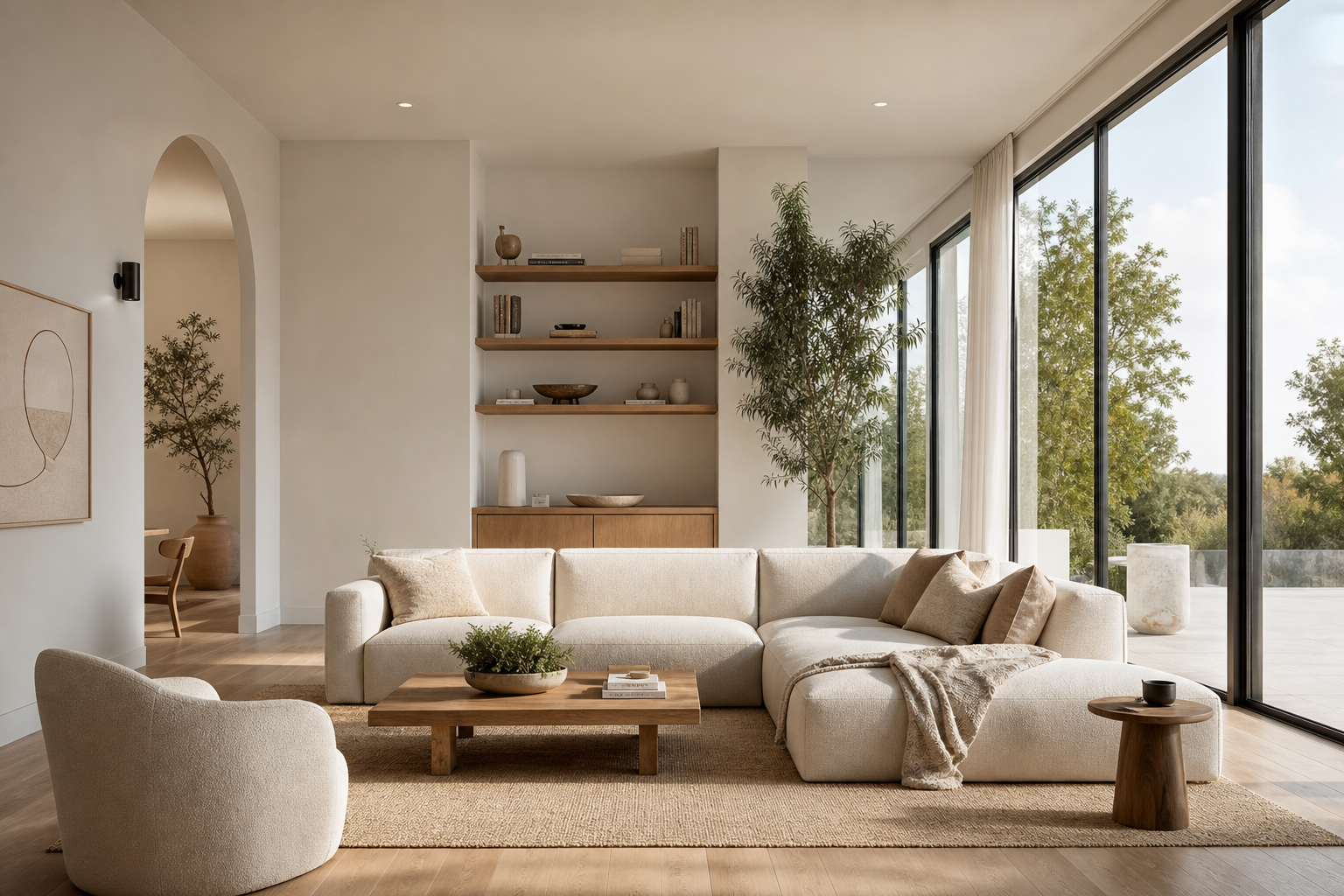
Empty rooms photograph cold, feel smaller, and sit on the market longer, while staged homes consistently sell faster and for more. Traditional staging means renting furniture and booking a shoot; AI virtual staging furnishes a vacant listing in minutes from the photos you already have. But sloppy staging is worse than none, so the goal is renders so believable that buyers picture themselves living there, not spotting the fake.
The Rules of Believable Virtual Staging
Three things make virtual staging convincing: the added furniture must match the photo's original perspective and lighting, every piece must be scaled correctly to the room, and the vertical lines must stay straight. Get the light direction wrong and the sofa looks pasted in; get the scale wrong and a loveseat swallows the room. Treat the existing photo as the ground truth and instruct the model to respect it.
Staging an Empty Room (Transform Workflow)
For a real listing photo, use Transform Mode so the architecture, windows, and daylight are preserved while only the furnishings are added. Phrase the prompt as what to keep versus what to introduce.
Virtual Staging Transform: transform: keep the room architecture, windows, floor, and walls exactly as-is, preserve the camera perspective and existing natural lighting, add realistic [scandinavian / modern / midcentury] furniture — a sofa, coffee table, area rug, framed art, and a plant — scaled correctly to the room, match the existing daylight direction and cast soft natural shadows, photorealistic real estate photography, straight vertical lines, ultra detailed
'Preserve the camera perspective and existing natural lighting' is the clause that grounds the furniture in the real room. Without it, the model relights the scene and the staging floats.
Generating a Listing Image From Scratch
When you need a hero render rather than a staged photo, build it like an architectural shot: name the room, the furniture, the materials, then the camera. A 24mm tilt-shift lens keeps verticals straight, the single biggest tell that separates a pro real-estate image from a warped phone snap.
- In transform mode, "preserve camera perspective and existing lighting" so furniture sits believably.
- Always request "furniture scaled correctly to the room" to avoid oversized pieces.
- Keep verticals straight with a "24mm tilt-shift lens" or "straight vertical lines".
- Match the staging style and price point to the neighborhood and target buyer.
- Always disclose virtual staging in the listing to stay compliant with local rules.
Virtual staging is matched light, correct scale, and straight lines, applied on top of a real room. Master the transform workflow, render a believable hero, and stage an entire portfolio of listings in Manus without renting a single sofa.