Ghost Mannequin and Flat Lay Prompts for Clothing Brands
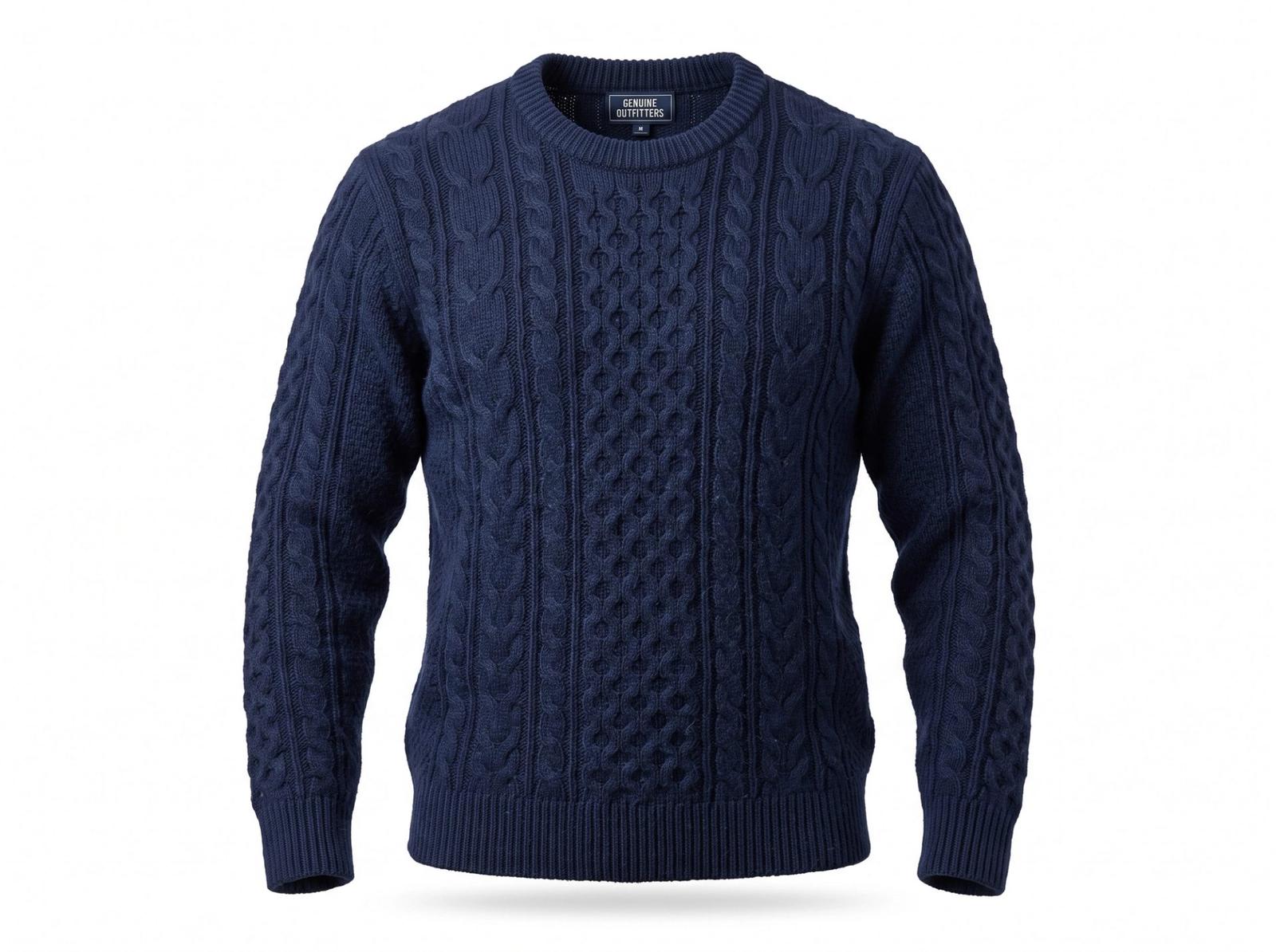
Not every garment needs a model. Ghost mannequin shots show shape and fit while keeping the focus on the product, and flat lays show how pieces work together. Both are standard in apparel e-commerce, and both are achievable with AI if you describe the garment as a three-dimensional object rather than a picture of clothing.
Ghost Mannequin: Shape Without a Body
The invisible-mannequin look keeps the garment's volume — filled shoulders, a natural collar roll, sleeves holding their shape — while the body disappears. The critical instructions are the hollow neckline and the interior visible at the collar, which is what makes the effect read as professional rather than as a floating shirt.
Commercial ghost mannequin product photograph of a [garment: fabric, cut, color], invisible mannequin effect with the garment holding natural three-dimensional shape, filled shoulders, natural collar roll with the inside back of the neckline visible, sleeves with believable volume, pure white seamless background, even softbox lighting with a soft contact shadow, visible fabric weave and stitching detail, 100mm lens at f/8, catalog quality, photorealisticFabric Language Decides Realism
Garments fail when fabric reads as plastic. Name the textile, its weight and its finish, and the drape follows: 'heavyweight brushed cotton fleece', 'bias-cut silk charmeuse with liquid drape', 'rigid 14oz selvedge denim with visible twill'. The weight word matters most — it tells the model how the cloth falls.
Flat Lays: Composition Is the Product
A flat lay is a small styling exercise shot from directly overhead. Specify the camera angle as 'top-down, perfectly perpendicular', the surface, the arrangement, and the spacing. Without the perpendicular instruction you get a three-quarter view that looks like a snapshot of a messy bed.
Top-down flat lay photograph shot perfectly perpendicular to the surface, [garment] neatly arranged in the centre with sleeves folded naturally, paired with [two or three accessories], on a [linen / warm concrete / pale oak] surface, soft even daylight from the upper left with gentle shadows, generous negative space, muted editorial palette, 50mm lens, sharp fabric texture, photorealisticWhat Goes Wrong, and the Fix
- Melted buttons and zips: ask for 'accurate hardware: buttons, zip and eyelets rendered cleanly'.
- Wrong fit: state the cut explicitly — oversized, relaxed, tailored, cropped.
- Fabric that reads as plastic: add weight and weave, not just color.
- Logos and text: generate the garment plain and composite the real branding afterwards.
- Color drift: add 'accurate garment color, neutral white balance' to every prompt.
Describe the cloth as cloth, keep the mannequin hollow, and shoot flat lays perfectly square to the surface. Those three habits cover most apparel imagery a brand needs before a model is ever booked.